Before Your Trip to Italy: Essential Information
As an Italian living in the United States, I constantly notice the significant differences between our two cultures.
I've decided to write this blog to prepare you for your next Italian adventure and ensure you avoid any culture shock.
In the morning
Don’t miss the chance to experience an authentic Italian breakfast at the bar.
Make sure to visit a local bar before 9 am on a workday. Join the crowd of Italians and order a cappuccino al banco (at the counter) with a cornetto (croissant), perhaps one with custard, and consume it standing, as is the custom.
Usually, you'll need to pay first and present the scontrino (proof of payment) to the bartender to receive your cappuccino. Watch what Italians do and copy them.
In Italy, “caffè” is always an espresso. If you prefer American coffee, be specific and ask for “caffè americano”.
Coffee is not a "to-go" item, and paper cups aren't provided!
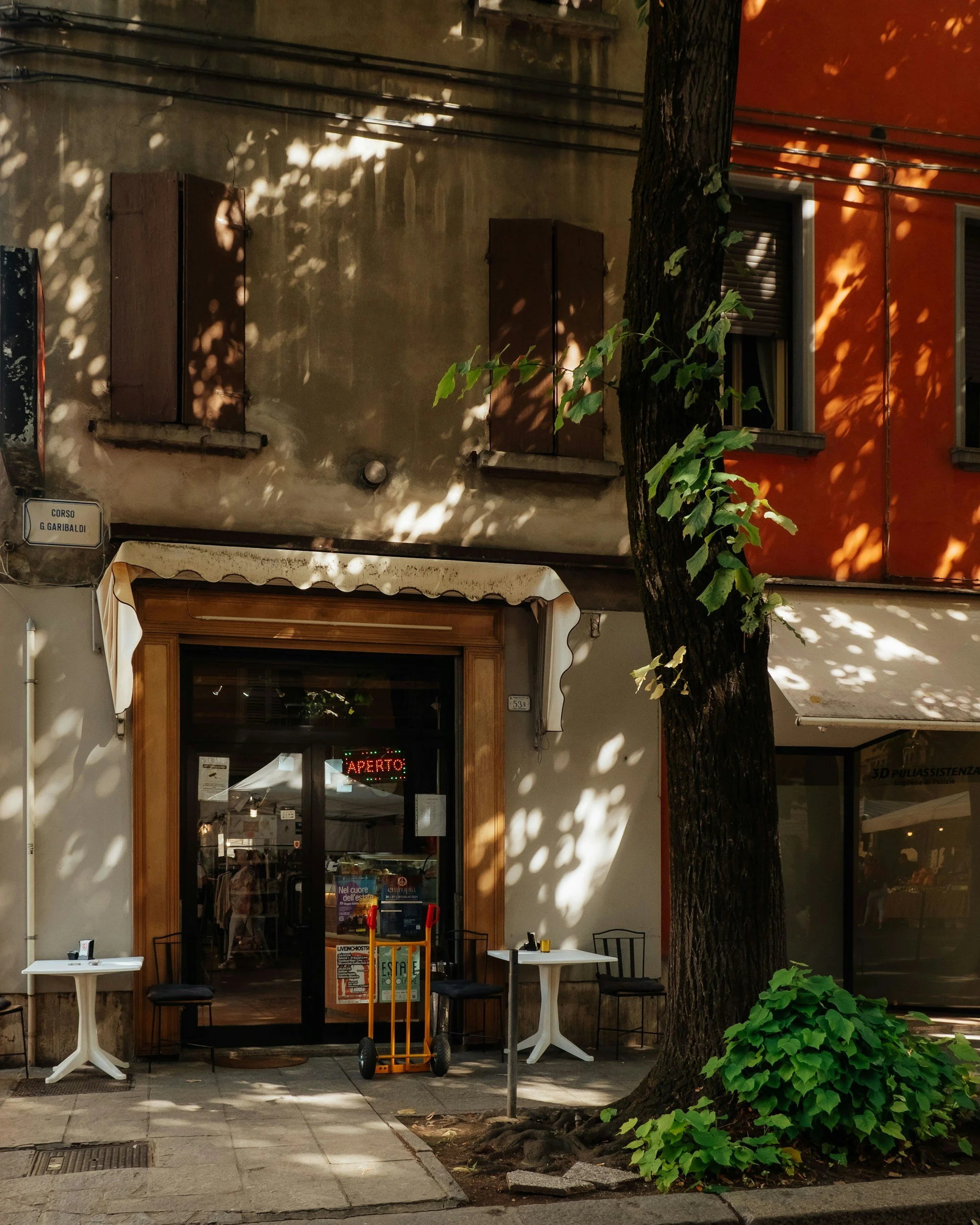
Dining out
To truly dine like a local in Italy, skip the tourist traps. The restaurants with multi-language menus situated right next to major landmarks. Instead, look for a trattoria a couple of streets away. These authentic spots often don't display a menu on the window.
A clear sign of a genuine Italian experience is when the waiter recites the available dishes or when the daily specials are scribbled on a chalkboard, reflecting ingredients the chef sourced that morning.
Be wary of restaurants that are open all day; traditional Italian eateries rarely operate around the clock, and those that do are typically catering solely to tourists.
Lunch: Served from 12:30 PM to 3:30 PM. Note that most restaurants close between 3:00 PM and 7:00 PM.
Dinner: Dinner is typically a late affair, starting no earlier than 7:30 PM or 8:00 PM, or even later in the south of Italy.
If you're hungry outside of these hours:
Around 5:00 PM: Head to a gelateria for a gelato. The flavors should not be bright, colorful, or high mountain of gelato in the display case. If that is the case, it means the gelato isn't artisanally made with fresh ingredients. Walk further and look for real gelato, kept in covered metal containers. The shop will look less spectacular and taste significantly better.
Alternatively, go to a pasticceria or panificio (bakery) for a hot chocolate with pastries or a salted focaccia.
Around 7:00 PM: Enjoy an aperitivo at a local bar; most offer Happy Hour specials (a drink with small snacks).
Do not arrive for dinner before 7:00 PM!
The Italian menu consists of an Appetizer, a First Course, and a second course. Many Italians will order a starter (antipasti), followed by a primo (a pasta dish) or a secondo (a protein and vegetable dish), and often split a dolce (dessert).
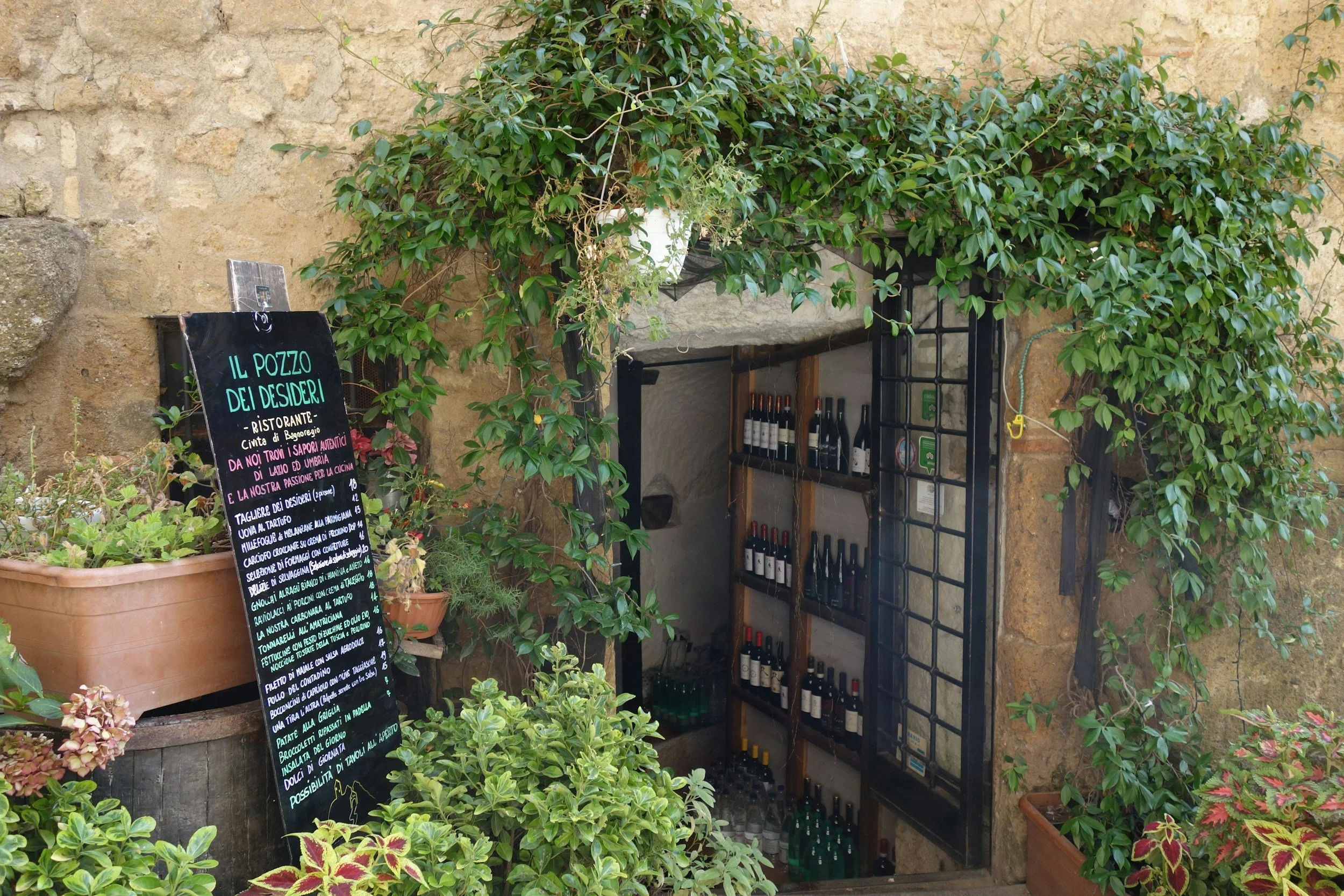
Basic Food Rules in Italy
If you want to enjoy a pizza like an Italian, beer or soda is the ideal drink.
Salad Dressing: Expect a simple oil-and-vinegar dressing; no other types are commonly offered.
Cheese: Never combine cheese with fish dishes. Appropriate use of grated Parmigiano cheese is limited to pasta with either a vegetable or a meat sauce. There is no grated Parmesan cheese on salad or pizza. Occasionally, slivers of Parmigiano will be served over bresaola or beef carpaccio, but never grated cheese!
Pasta and sauces
Italy's culinary landscape is incredibly diverse, and nowhere is this more evident than in the world of pasta. The sheer variety is astonishing, with over 300 different named shapes, each deeply rooted in the history and traditions of a specific region.
Every region boasts its own preferred pasta shapes and, crucially, its characteristic sauces designed to complement them perfectly. This is not arbitrary; the shape of the pasta dictates how well it holds the sauce.
For example:
Northern Italy: with its cooler climate and abundance of eggs and dairy, it often favors fresh egg pasta like tagliatelle, pappardelle, or ravioli, which pair wonderfully with rich meat ragùs, butter-based sauces, or creamy fillings.
Southern Italy: relies more on durum wheat and water, is the home of dried pasta. Here you find shapes like orecchiette (meaning "little ears") in Puglia, perfect for scooping up rustic vegetable sauces like cime di rapa (turnip greens), or bucatini in Rome, whose hollow center carries meaty sauces like Amatriciana.
Central Italy: bridges these styles, utilizing both fresh and dried pasta. Think of pici, a thick, hand-rolled spaghetti from Tuscany, served often with a simple cacio e pepe heese and pepper) or a wild boar ragù.
Exploring Italian cuisine means going beyond the familiar few and trying as many of these regional specialties as possible. Each new pasta-and-sauce combination offers a genuine taste of local history and the true heart of Italian cooking.
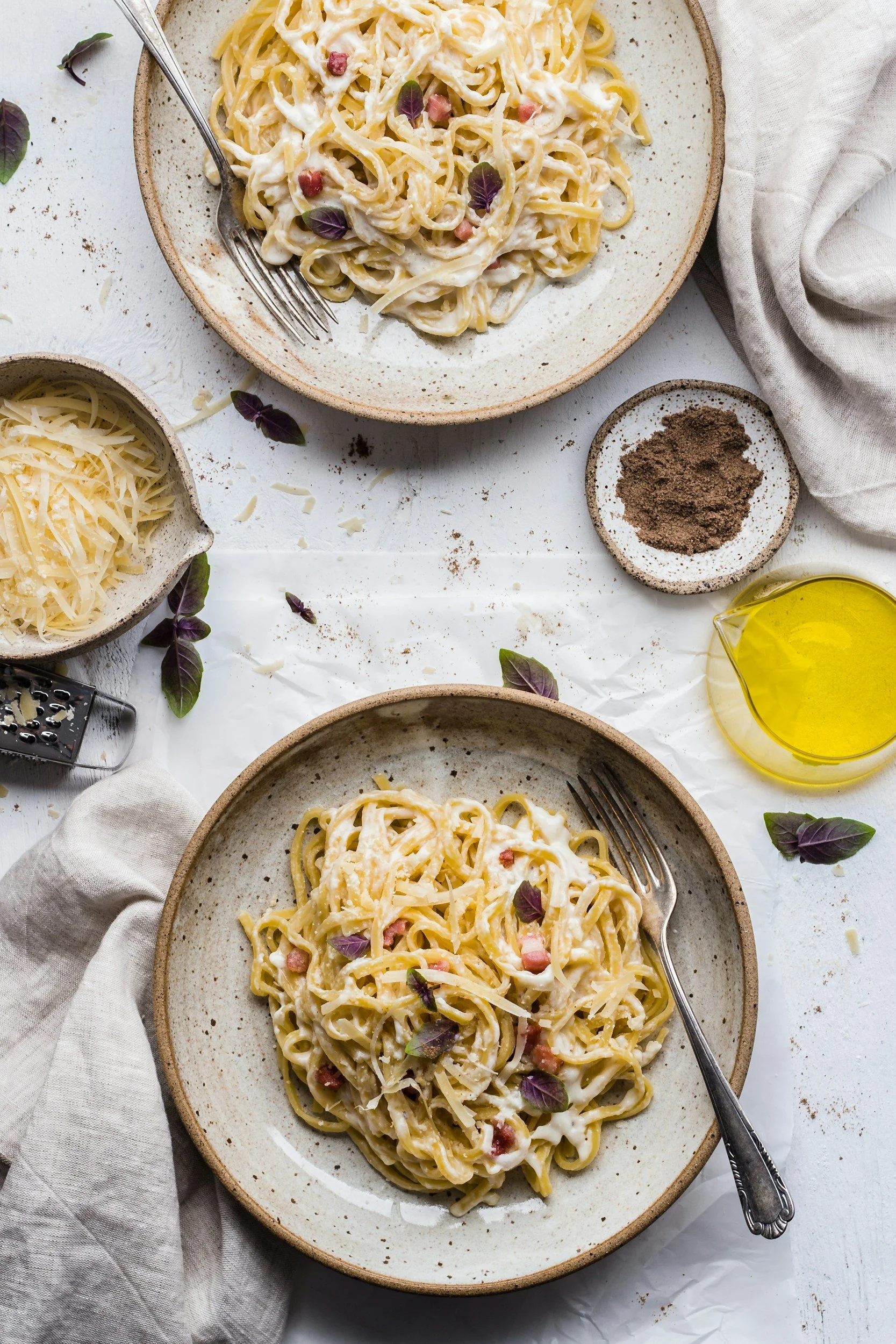
Eating Out Like an Italian
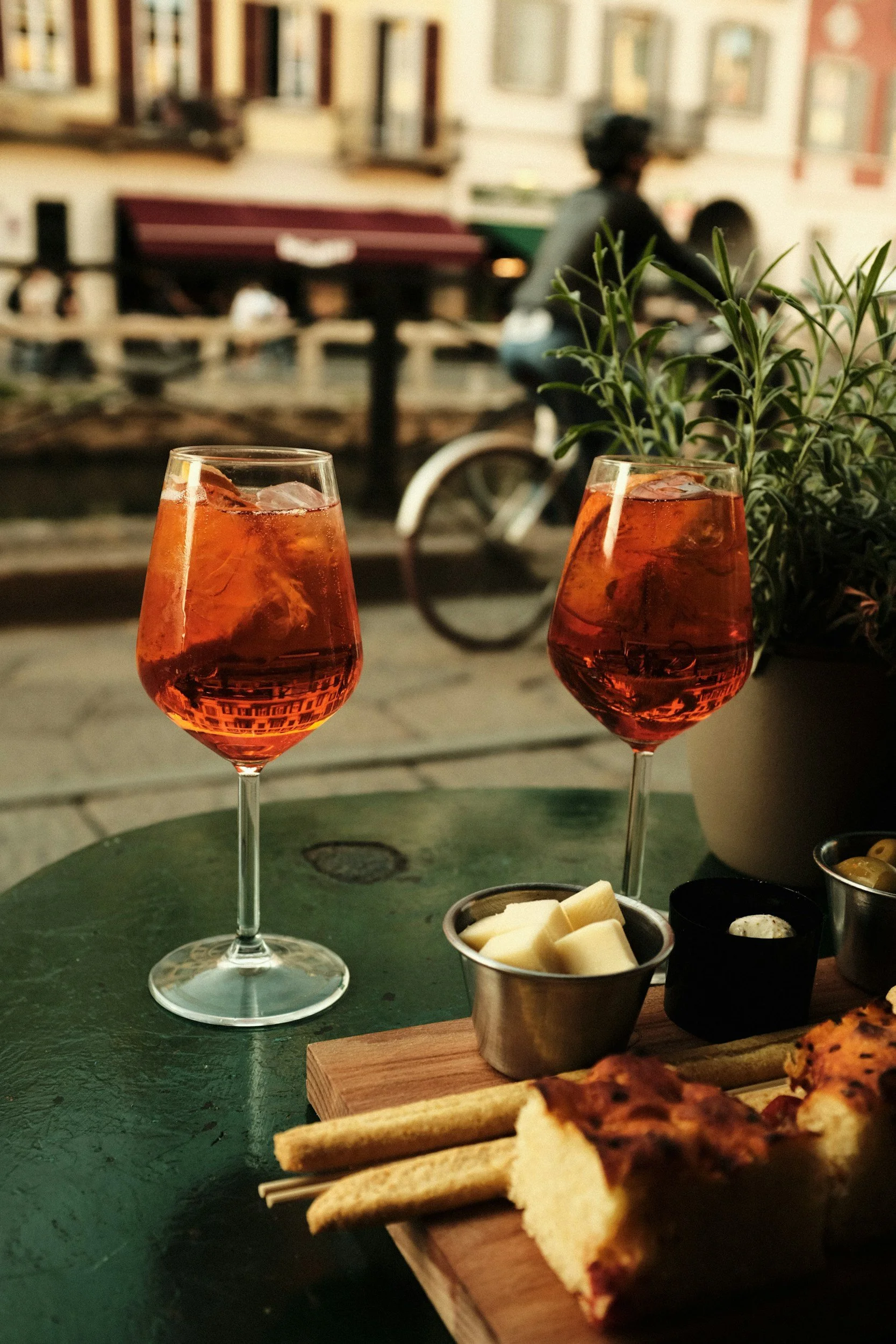
The Happiest Hour- Aperitivo is a wonderful tradition you should not miss.
Bars that offer an aperitivo buffet will charge you for the drink but not for the food, which ranges from simple chips and olives to sophisticated warm appetizers and Parmigiano cubes sprinkled with balsamic vinegar. You can go back to the buffet as many times as you wish.
Find a bar that serves an aperitivo buffet and head there between 6 and 8:30 PM. Avoid touristic traps that sell expensive, watered-down alcohol
Restaurant tipping and customs- Italian restaurants are different from those in the U.S. Since servers are salaried and don’t rely on tips to make a living, they don’t mind turnover. It is customary in Italy to stay seated at a restaurant table for the entire evening, and dinner usually takes longer than in the US. If you don’t ask for the check, you won't get it. Italians consider a check put on the table before you’re done with your meal, or without you asking, like an invitation to leave. It is considered a no-no and very rude, so you must ask for your check if you’d like to pay!
Digestives- Following your meal in Italy, it is customary to have a digestivo (or liqueur) to aid with digestion. The specific drink varies by region; for instance, Ramazzotti (licorice-based) or Limoncello, commonly found from Rome down to the Amalfi Coast, or mirto (blueberry-based liquor) in Sardinia are popular choices.
Water in Restaurants- In Italy, people exclusively drink bottled water in restaurants. Tap water is never served, and despite being as safe as in the US, people still drink bottled water at restaurants.
You will typically be asked, “naturale o frizzante?” (still or sparkling). Also note that Italians rarely drink water with ice, so if you must have it, ask, but be prepared for puzzled looks and to receive a very small amount.
Tourist trap or Historical Custom?- You may find a small charge on your restaurant bill called a “coperto”. This accounts for basic items such as service, cutlery, seats, and tables. It’s normal and not a tourist trap. On the contrary, it’s actually a historical custom dating back to medieval times.
Safety Rules
Italy is a very safe country to visit. However, like many major cities around the world, including America, you will still want to practice situational awareness. Keep your belongings safe and secure, and be aware of your surroundings. In particular, keep your eyes open in touristy areas. In the event of theft, it is important to have your passport photo to expedite the process of an emergency passport.
Shopping
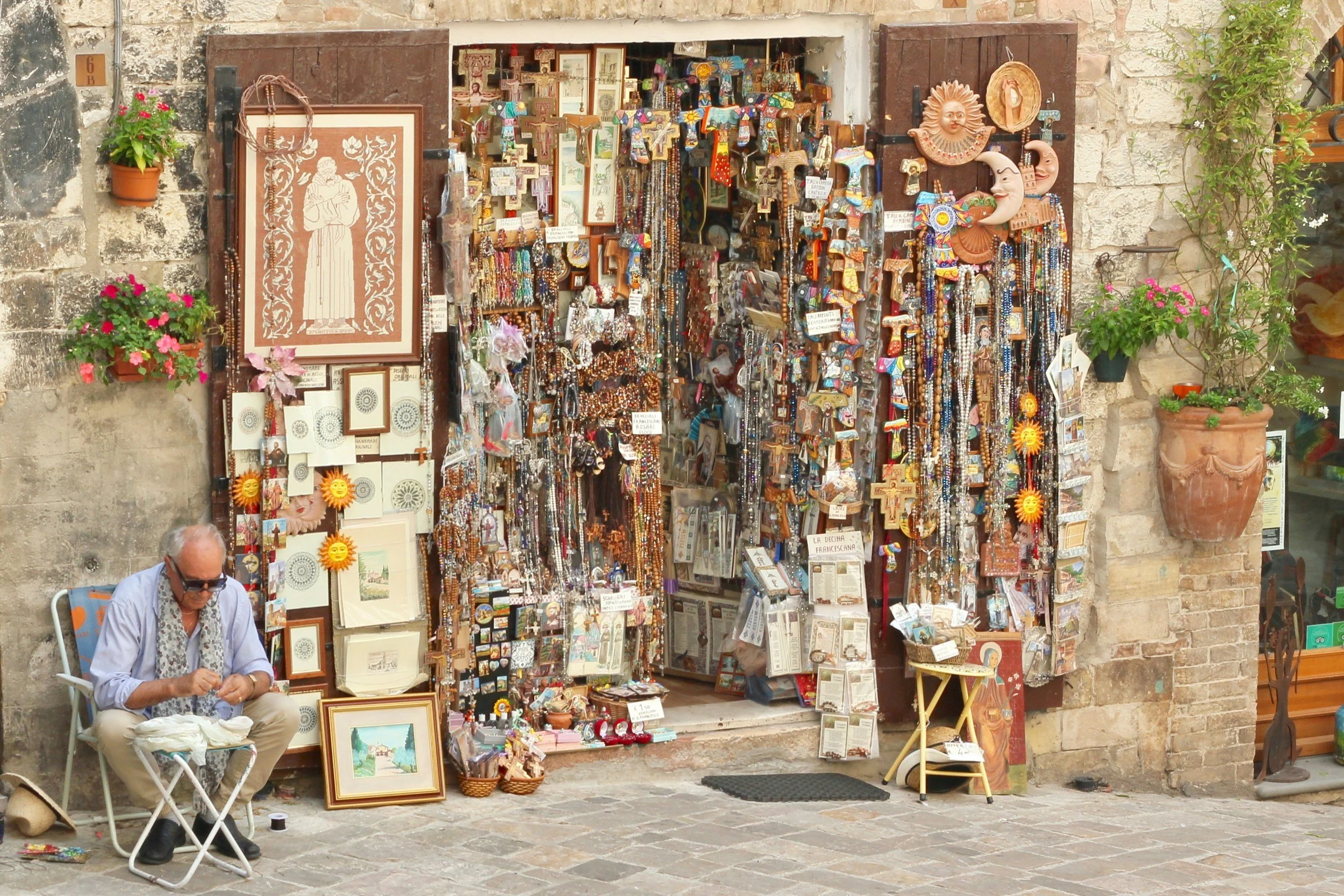
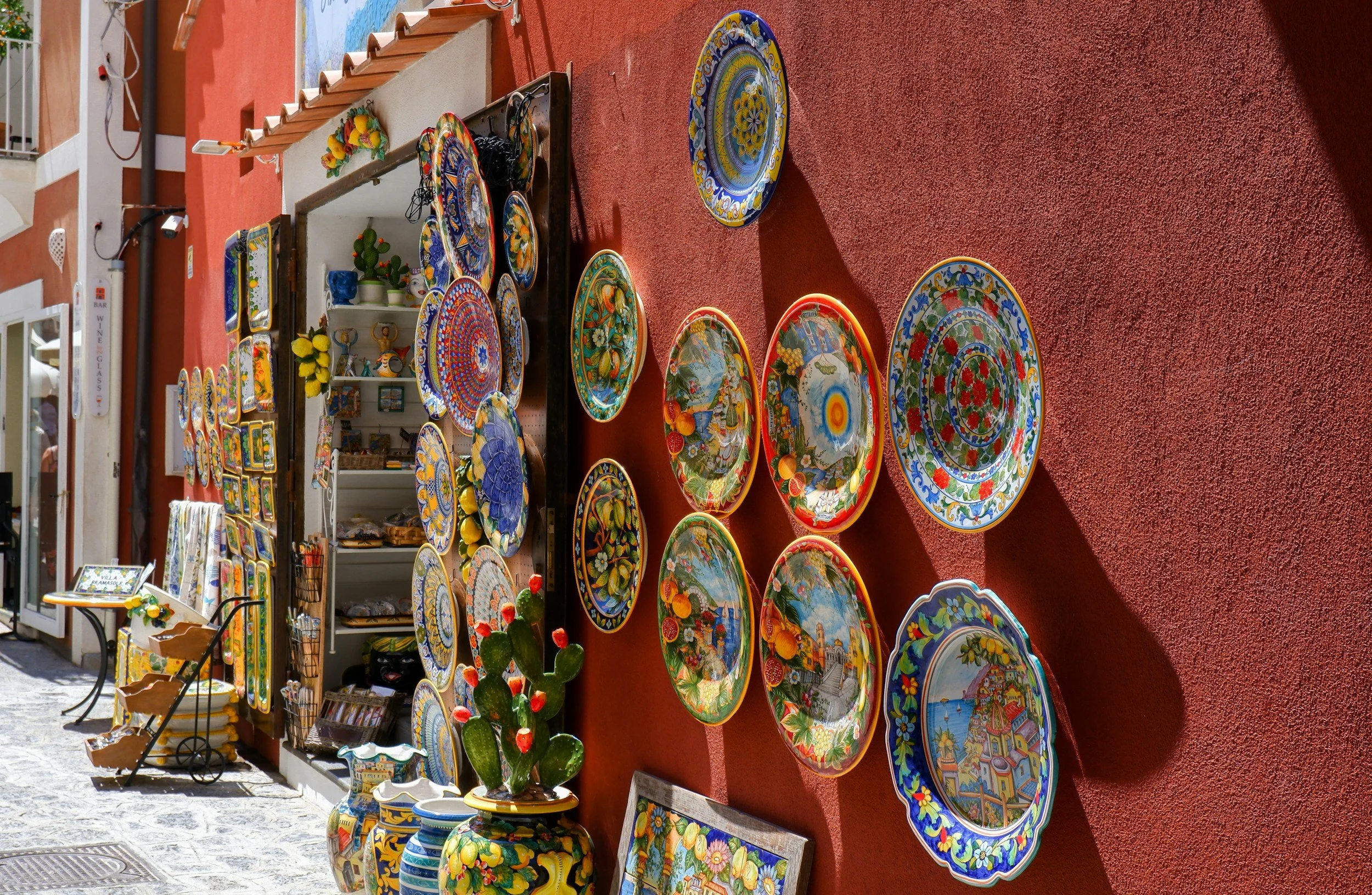
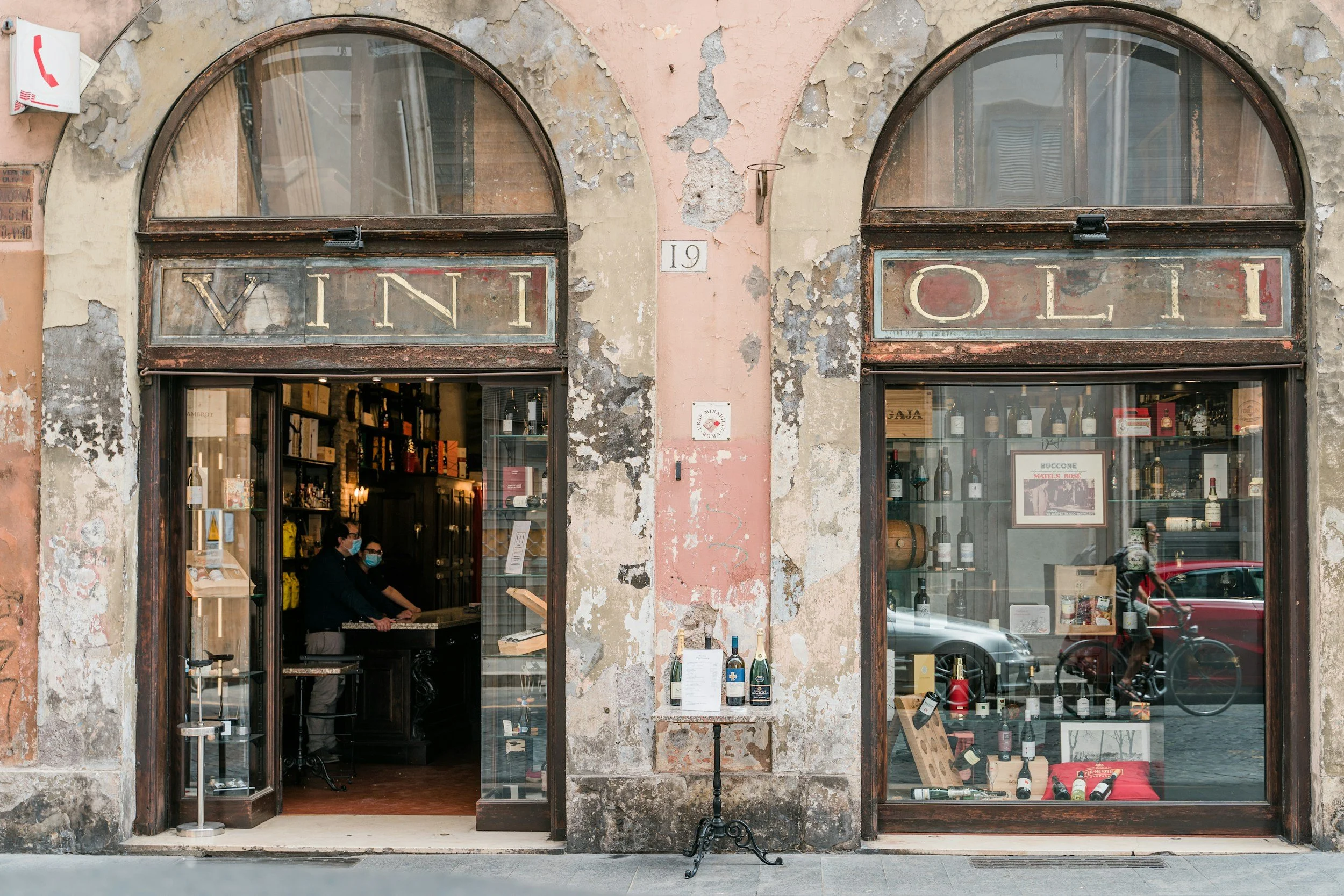
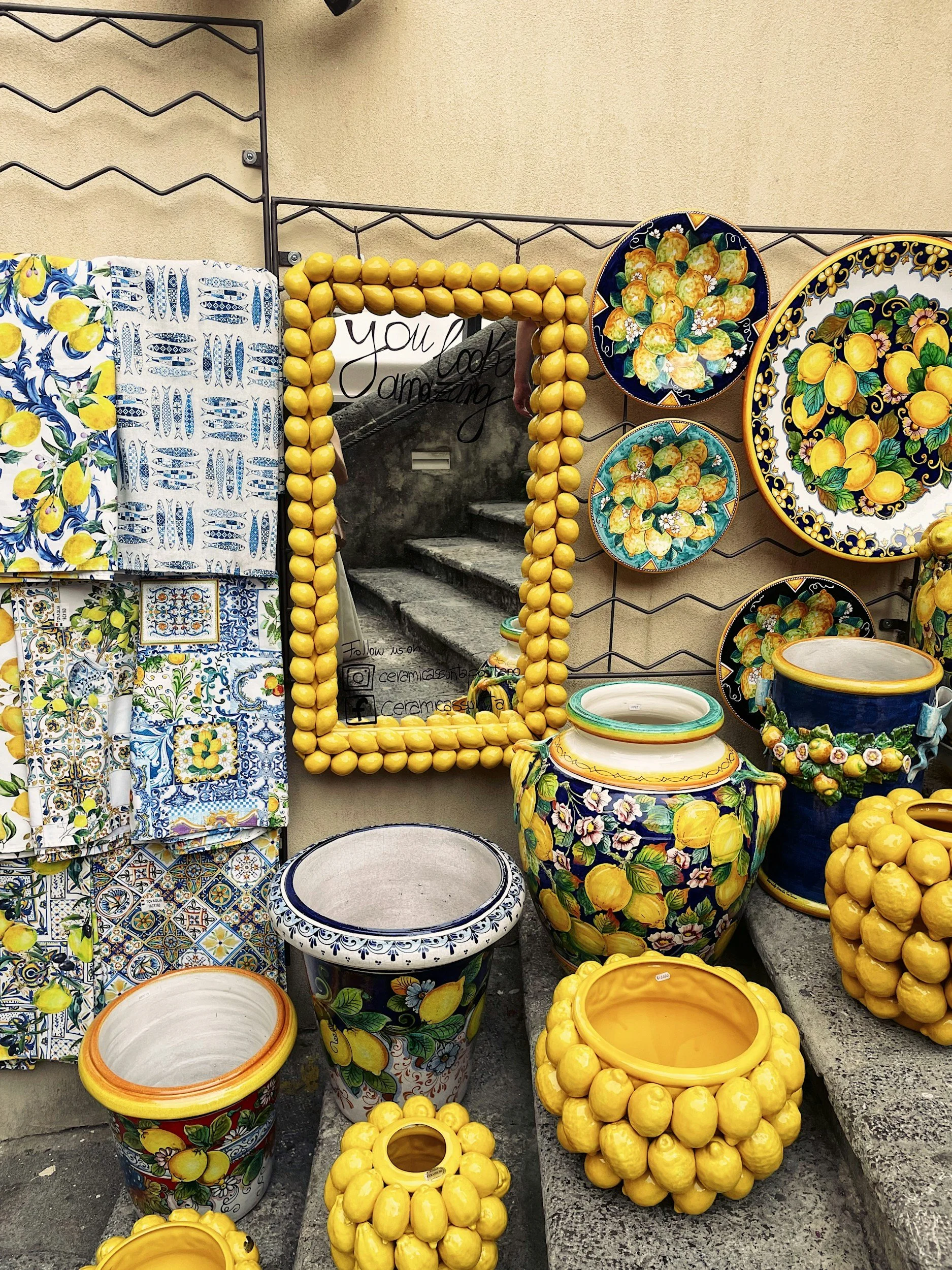
Groceries: Be prepared to bag your own groceries, and you will typically pay for a bag if you don’t have one. When selecting produce, remember that wearing the provided plastic gloves is mandatory; otherwise, you risk being scolded by locals!
Purchases/Returns: Choose your items carefully, as store exchanges are not common. If you decide you no longer want an item after purchase, you are generally stuck with it.
A quick thought on speaking English
English has become the international language for travelers. Almost everyone around the world uses it, understands it, or at least strives to do so. But because so many people use it, accents vary enormously; and English is not italians first language. To communicate more easily, try using simpler English, speaking more slowly, and avoiding idioms and acronyms.
Don’t do this, or you will get fined
Italy is fiercely protective of its history, environment, and culture, perhaps more so than any other European nation. It's crucial to understand that their laws are strictly enforced and that the fines are severe. Pleading ignorance is not an acceptable defense.
It is forbidden to sit on the Spanish Steps in Rome. The Trinità dei Monti steps are a protected monument. Feel free to walk the steps, enjoy the view from the top, and take pictures. Just remember that sitting is not permitted.
Many popular tourist destinations in Italy, including Rome, Venice, and Florence, have implemented rules prohibiting sitting on monuments, fountain edges, church steps, or bridges for eating or picnicking. These regulations are in place to help reduce cleanup costs and are enforced in key areas such as the Trevi Fountain, the Spanish Steps, the Colosseum (Rome), the bridges and steps (Venice), and around the Duomo (Florence). Violators may be subject to a fine.
It is illegal to remove sand, shells, pebbles, or rocks from Sardinia's protected beaches, with fines reaching thousands of euros. This strict rule exists because the sand is irreplaceable; for example, Spiaggia Rosa on Budelli Island is closed due to sand removal, and La Pelosa near Stintino now limits visitors and charges an entry fee.
In Rome (Ponte Milvio), Florence (Ponte Vecchio), and Venice (Rialto Bridge), locking a padlock carries a fine of up to €50,000. Rome introduced the law in 2012 due to structural concerns. Street vendors selling locks near these sites won't mention the massive fine.
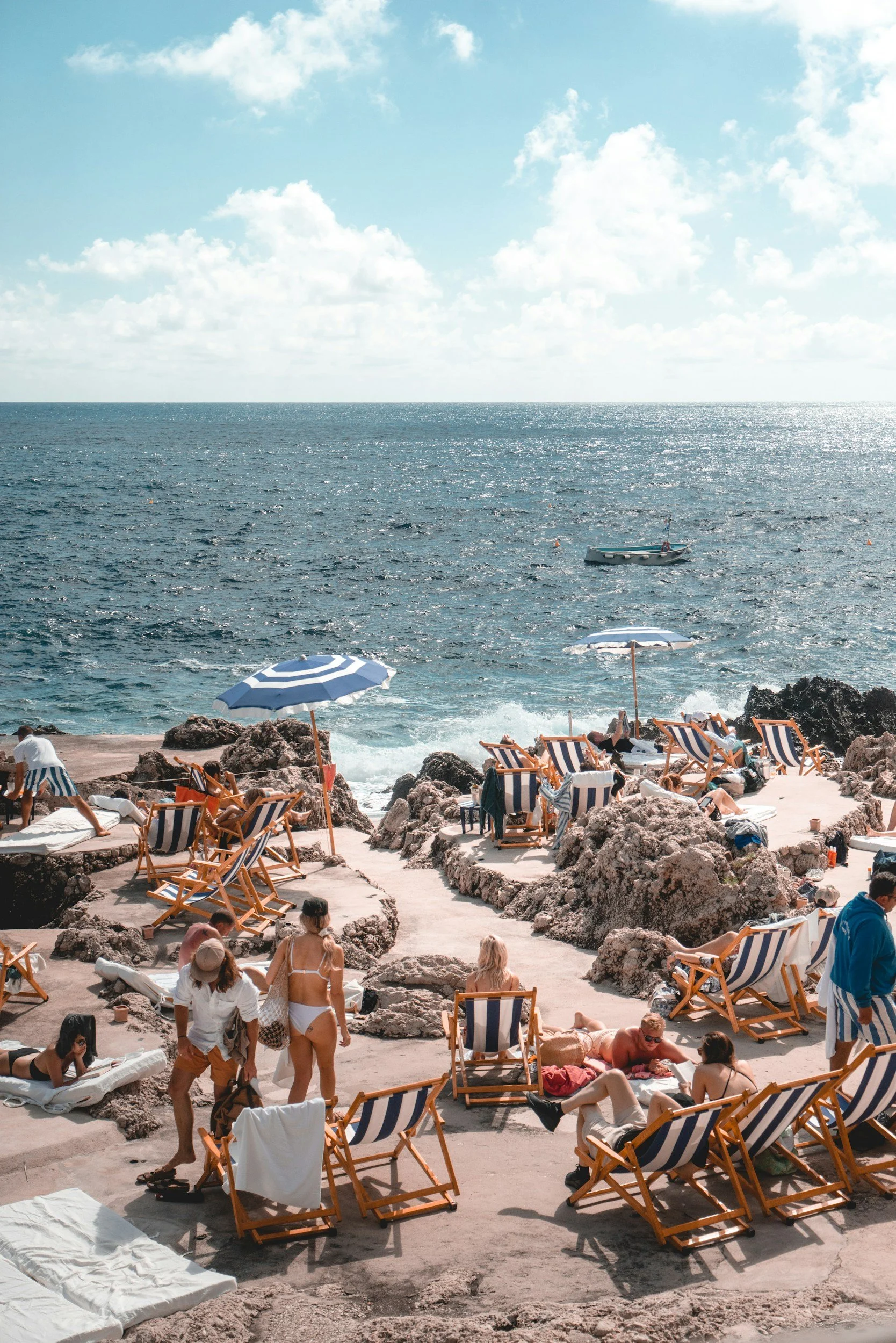
In many Italian coastal towns, including Sorrento, Cinque Terre, Capri, parts of the Amalfi Coast, and Sardinian towns, it is illegal and considered disrespectful to walk in public (off the beach) wearing only a bikini, swimming trunks, or shirtless. This is because these are residential areas. Always cover up with a t-shirt and shorts when leaving the beach to avoid fines.
Final quick Tips:
Many major cities offer delicious, free, drinkable water flowing directly from public drinking fountains. Be sure to bring a reusable water bottle.
In Italy, what appears to be a line at the post office, bank, bar, or bakery is often more of a passive declaration of intent. To ensure you receive service, you must actively assert your place and demand your right-of-way, or you risk being "overtaken" by those who are more assertive!
Restrooms in all bars and cafes are for customers only. Order an espresso before asking “Dov'è il bagno?”
To visit most holy places, you must be properly dressed. Attire such as tank tops or shorts is not permitted inside churches. I recommend bringing a light scarf to cover your shoulders if your outfit is revealing.
While Italians, like Americans, can often speak loudly, when visiting monuments and other important sites, a quieter tone is generally recommended. Speaking more softly will help you blend in.
In Italy, you generally don't hail a taxi from the street. Instead, look for designated taxi stands, often conveniently located near major attractions, where cabs queue for passengers.
Dates are shown as day-month-year.
Times are indicated in 24-hr format.
And yes, Italy runs on the metric system!
You push to enter a place, and pull to get out. Exactly the opposite, America!